Read This Before You Buy That TV Streaming Stick
Falé told KrebsOnSecurity he was able to peer inside a vast and complex ad fraud network by registering an expired domain name that was used to coordinate fake ad clicks across a particularly popular brand of these streaming devices known as H96 .
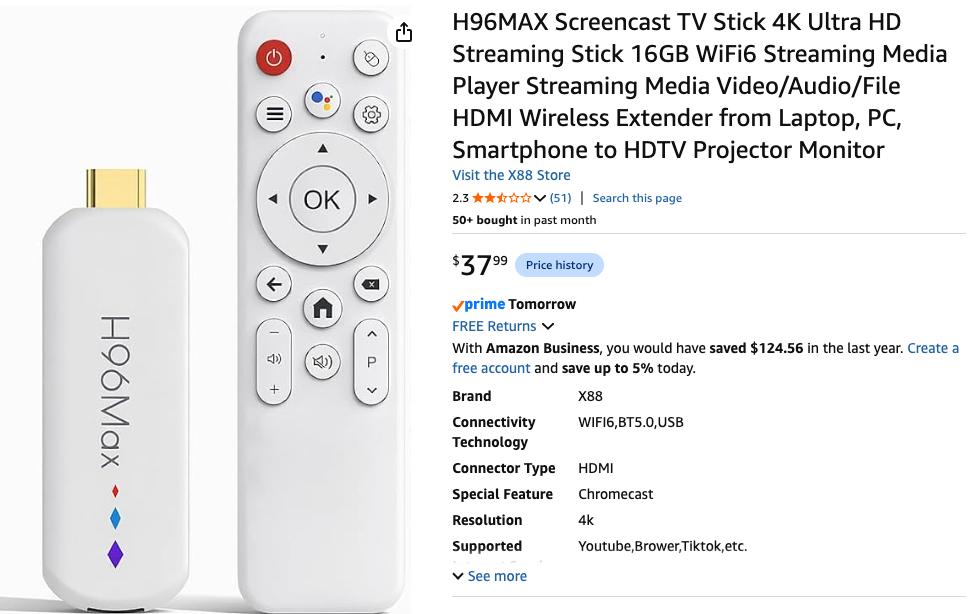
Falé told KrebsOnSecurity he was able to peer inside a vast and complex ad fraud network by registering an expired domain name that was used to coordinate fake ad clicks across a particularly popular brand of these streaming devices known as H96 .
Falé said the domain he scooped up was previously used for telemetry, periodically collecting full hardware information and the entire list of installed apps from tens of thousands of H96 streaming sticks plugged into television sets around the globe.
“Multiple devices reporting to this factory Android TV Box backdoor were ‘phones.'” The researcher found all of the devices reported having the same two apps installed, and that those apps were made by a company called Zhejiang Fengwo IoT Technology Ltd , an entity founded in 2019 in mainland China which operates an ad-publishing portfolio under the name Fengwo Group .
An operator doesn’t need as much understanding of the underlying technicalities, as it is all set in place for ease of use.” Bitsight even found one of the Fengwo Group app developers mentioning exactly these advantages, noting the developer remarked that “only a small number of highly-skilled developers are needed to build the template execution-unit images,” and that “developers who create execution units from those templates have significantly lower technical requirements, greatly reducing the company’s operating costs.” Falé said if a user’s H96 streaming stick is selected for a specific fraud task, it will be pushed the appropriate Blockly module according to the task desired, which can include silently launching a web browser, visiting websites, browsing pages, managing tabs, and clicking on ads.
Despite repeated warnings from the FBI and security industry leaders about the security and privacy risks of using these streaming devices, major e-commerce providers like Amazon, Best Buy, Newegg and others continue to sell hundreds of different models and brands that bundle unofficial versions of Google’s Android operating system and are frequently marketed ( via online influencers ) as a way to access a broad array of streaming services and live broadcasts without a subscription.
Falé said an analysis of the apps shows they help to coordinate an ad fraud network that uses these H96 devices as a captive traffic source to click on ads at AI-generated websites operated by the Fengwo Group.
The domain for the Fengwo Group — fwgcloud[.]com — claims the company is “redefining the boundaries of human-AI interaction,” and that it has created more than 120,000 “AI digital humans” available to rent for everything from emotional companionship to 24/7 customer service and creative design.
Falé said he believes the TV boxes are set up this way because its ad fraud activities are far more resource intensive and could interfere with the device’s stated purpose — streaming video content over the Internet.
Their inbox is full, or it’s getting too much mail right now.” As Bitsight’s analysis shows, when it comes to TV boxes and streaming sticks, it’s best to stick to name brands from reputable manufacturers, and then to be sparing and careful with any apps you choose to install on the device — as many of those can bundle residential proxy software as well .
This software rents the user’s Internet address out to anonymous paying customers, who run the gamut from aggressive content scraping firms to ticket scalpers and outright cybercriminals.
What happened
Falé told KrebsOnSecurity he was able to peer inside a vast and complex ad fraud network by registering an expired domain name that was used to coordinate fake ad clicks across a particularly popular brand of these streaming devices known as H96 .
Falé said the domain he scooped up was previously used for telemetry, periodically collecting full hardware information and the entire list of installed apps from tens of thousands of H96 streaming sticks plugged into television sets around the globe.
“Multiple devices reporting to this factory Android TV Box backdoor were ‘phones.'” The researcher found all of the devices reported having the same two apps installed, and that those apps were made by a company called Zhejiang Fengwo IoT Technology Ltd , an entity founded in 2019 in mainland China which operates an ad-publishing portfolio under the name Fengwo Group .
What changed
An operator doesn’t need as much understanding of the underlying technicalities, as it is all set in place for ease of use.” Bitsight even found one of the Fengwo Group app developers mentioning exactly these advantages, noting the developer remarked that “only a small number of highly-skilled developers are needed to build the template execution-unit images,” and that “developers who create execution units from those templates have significantly lower technical requirements, greatly reducing the company’s operating costs.” Falé said if a user’s H96 streaming stick is selected for a specific fraud task, it will be pushed the appropriate Blockly module according to the task desired, which can include silently launching a web browser, visiting websites, browsing pages, managing tabs, and clicking on ads.
Despite repeated warnings from the FBI and security industry leaders about the security and privacy risks of using these streaming devices, major e-commerce providers like Amazon, Best Buy, Newegg and others continue to sell hundreds of different models and brands that bundle unofficial versions of Google’s Android operating system and are frequently marketed ( via online influencers ) as a way to access a broad array of streaming services and live broadcasts without a subscription.
Who is affected
Falé said an analysis of the apps shows they help to coordinate an ad fraud network that uses these H96 devices as a captive traffic source to click on ads at AI-generated websites operated by the Fengwo Group.
The domain for the Fengwo Group — fwgcloud[.]com — claims the company is “redefining the boundaries of human-AI interaction,” and that it has created more than 120,000 “AI digital humans” available to rent for everything from emotional companionship to 24/7 customer service and creative design.
Why it matters
Falé said he believes the TV boxes are set up this way because its ad fraud activities are far more resource intensive and could interfere with the device’s stated purpose — streaming video content over the Internet.
Their inbox is full, or it’s getting too much mail right now.” As Bitsight’s analysis shows, when it comes to TV boxes and streaming sticks, it’s best to stick to name brands from reputable manufacturers, and then to be sparing and careful with any apps you choose to install on the device — as many of those can bundle residential proxy software as well .
Technical details
This software rents the user’s Internet address out to anonymous paying customers, who run the gamut from aggressive content scraping firms to ticket scalpers and outright cybercriminals.
In January, the proxy tracking service Synthient documented how multiple botnets had rapidly enslaved millions of TV boxes using a complex interplay of security vulnerabilities in both the residential proxy software and the streaming devices themselves.
Response
Further investigation into the Fengwo Group revealed it has registered multiple patents that match the inner workings of these apps.
He noted the domain also has an internal wiki platform that directly ties the Fengwo Group to a proprietary implementation of a Google-built visual programming language called Blockly , which was originally designed to help kids learn how to write software.
Attribution
KrebsOnSecurity: Pedro Falé is a threat researcher with the security firm Bitsight .