Inside Modern Phishing Kits Built to Steal Microsoft 365 Sessions
Phishing kits are evolving to steal Microsoft 365 session tokens, allowing attackers to access user accounts without needing passwords.
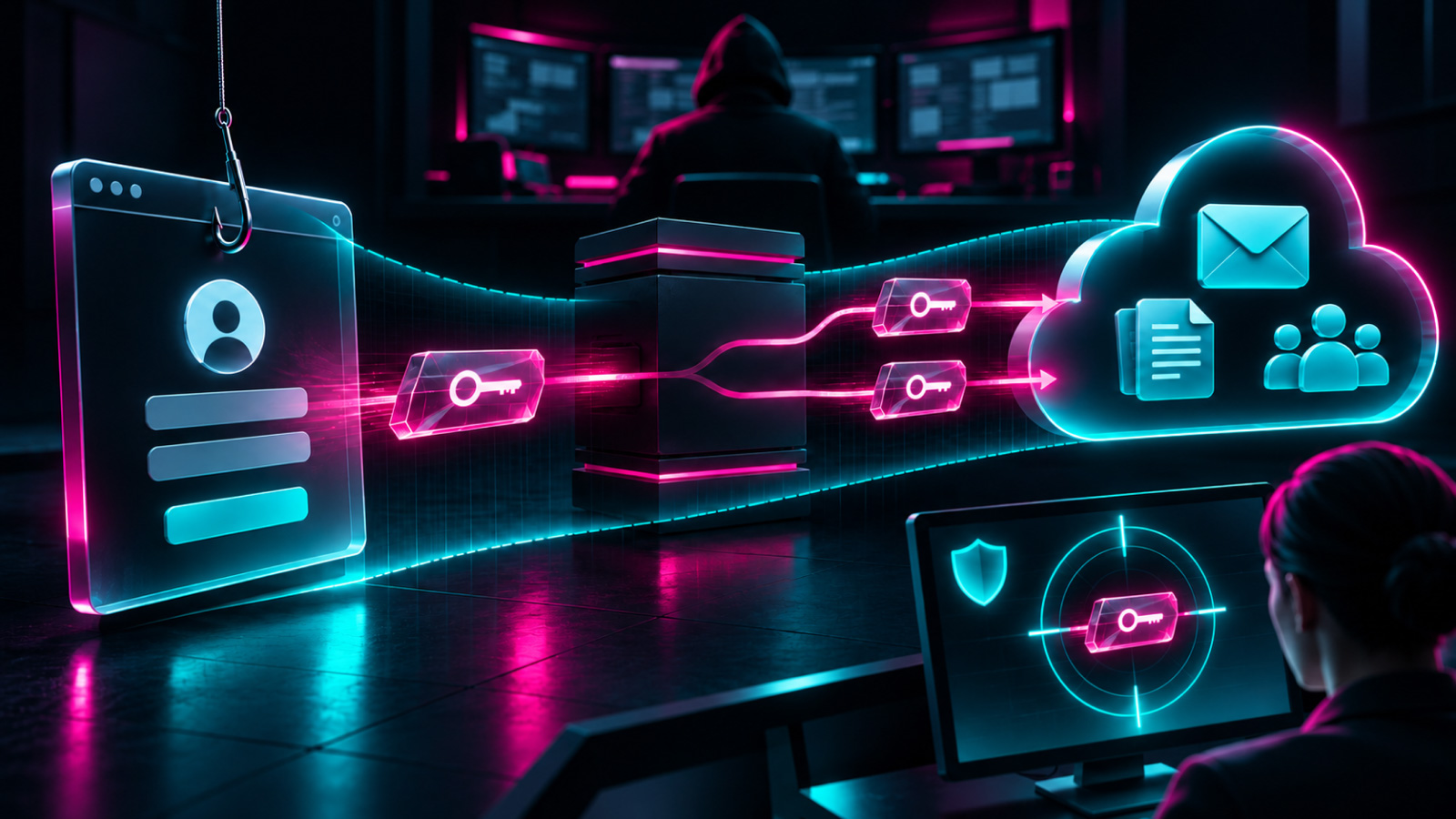
Modern phishing kits designed to steal Microsoft 365 session tokens have emerged, enabling attackers to gain access to user accounts without requiring passwords. These kits provide aspiring attackers with user-friendly interfaces and features like admin dashboards and real-time support, making credential theft easier than ever.
Phishing kits that target Microsoft 365 session tokens are becoming increasingly sophisticated, allowing attackers to exploit user accounts effectively. Researchers from Huntress analyzed several of these kits, which provide features that enable even novice attackers to replay stolen session tokens. This method gives them instant access to victims' cloud resources and email accounts, bypassing traditional security measures such as multi-factor authentication (MFA).
The mechanics of these phishing kits involve several techniques for capturing and replaying tokens. One method is device code phishing, where the victim authenticates with the identity provider, allowing the attacker to capture the authorization. This technique reduces friction as victims do not enter their credentials on an unfamiliar site, making the experience seem legitimate. Another method, known as adversary-in-the-middle (AiTM) attacks, involves relaying the authentication flow in real time, enabling attackers to capture session information while the victim completes the MFA prompt.
Phishing kits are pre-packaged sets of code and templates designed for launching phishing campaigns. Basic kits typically consist of simple HTML and script files that create fake login pages, while more advanced kits include admin dashboards for tracking victims and modifying phishing content. These kits enhance the attacker's ability to capture tokens and maintain persistence within compromised accounts.
The scale of this threat is significant, as attackers are increasingly targeting Microsoft 365 accounts. Huntress has identified several advanced phishing kits, including EvilTokens, Knight Office, and Kali365, which each utilize different techniques to harvest and replay tokens. For instance, EvilTokens was discovered as part of a device code phishing campaign, while Knight Office targets valid session tokens through AiTM methods. Kali365 bundles various phishing operations into a single control panel, allowing operators to capture and replay tokens effectively.
In early 2026, Huntress discovered the EvilTokens kit, which abused a Railway Platform-as-a-Service platform for token harvesting. This led to a joint operation by Microsoft's Digital Crimes Unit and the FBI, resulting in the arrest of one of its alleged operators. The ongoing collaboration between these entities highlights the seriousness of the threat posed by these phishing kits.
The implications of these phishing kits extend beyond simple credential theft. Attackers can maintain persistent access to compromised accounts, which poses a significant risk to organizations. Security teams are advised to monitor for unusual sign-ins from unfamiliar cloud infrastructure and to investigate any unauthorized access to email accounts. Containment strategies must also address identity artifacts, not just the initial phishing lure.
While researchers have made strides in understanding these phishing kits, several unknowns remain. The full extent of the impact on organizations, the evolving techniques used by attackers, and the effectiveness of current security measures are still being assessed.
What security teams should do
- Security teams should monitor for unusual sign-ins from unfamiliar cloud infrastructure.
- Investigate unauthorized access to email accounts and review mailbox activity.
- Revoke refresh tokens and remove unauthorized devices and credentials.
- Restrict or block device code authentication where possible.
What it meansPhishing kits are evolving to capture Microsoft 365 session tokens, allowing attackers to bypass passwords and MFA. This increases the risk of unauthorized access to sensitive data.
Ask your IT team this weekWhat measures are in place to monitor for unusual sign-ins to our Microsoft 365 accounts?How are we handling unauthorized access to email accounts?
DecisionThe IT team will implement monitoring for unusual sign-ins, and security will verify that it has been done.