Iran rejects French claims it was behind supermarket fridge hacking
France has accused Iran's Islamic Revolutionary Guard Corps of cyber-attacks on supermarket refrigeration systems, leading to food spoilage and potential sanctions.
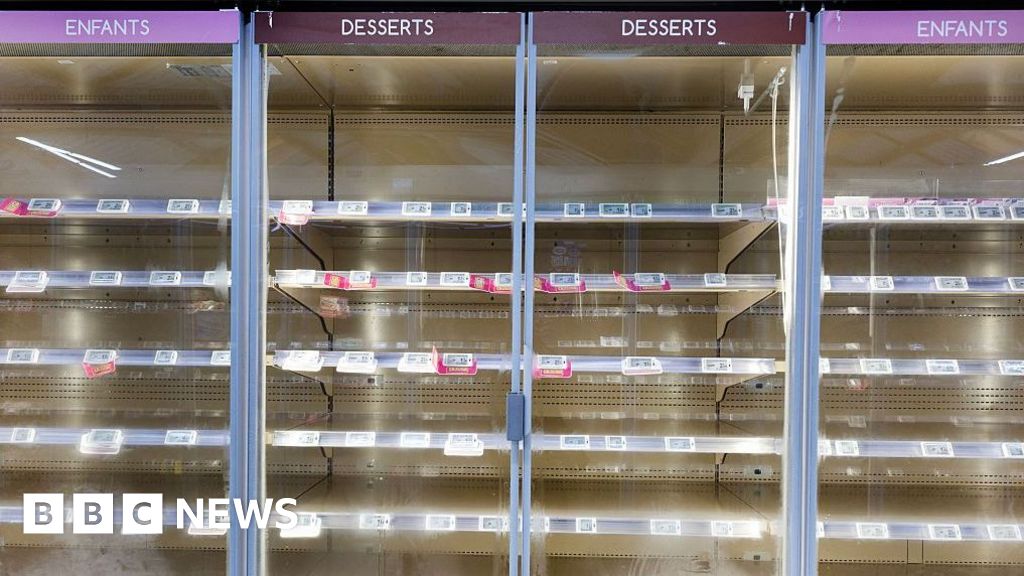
France has formally accused Iran's Islamic Revolutionary Guard Corps (IRGC) of conducting cyber-attacks that disrupted refrigeration systems in supermarkets across the country last month, causing significant food spoilage. French Foreign Minister Jean-Noël Barrot described the attack as unprecedented in both scale and aggression, stating that those responsible would face sanctions. The incident marks a significant cyber assault on French national interests, prompting the government to summon the Iranian ambassador to Paris in protest.
The cyber-attack targeted the temperature regulation software used in the refrigeration units of multiple French supermarket chains, including Coopérative U, Intermarché, and Netto. In some instances, the temperatures in these units reportedly soared to 50°C (120°F) overnight, leading to the destruction of tons of frozen and chilled food. Major retailers such as Carrefour, Monoprix, and E.Leclerc were also affected, with the attack focusing on software provided by Danish engineering firm Danfoss.
In response to the attack, the Paris prosecutor has launched an investigation into the head of an offensive cyber unit associated with the IRGC, named Shahid Kaveh. This group is believed to be directly employed by the Iranian regime and linked to the electronic and cyber center of the IRGC. The investigation also targets two deputies of this unit. While Iran has not officially responded to the allegations, some Iranian media outlets have dismissed the claims as baseless.
The French government has indicated that further measures may be taken to prevent similar incidents in the future. This attack was followed by a second wave of hacks affecting supermarkets in other European countries, including Belgium, Luxembourg, Sweden, and Finland. These incidents have raised concerns about the potential linkage between the attacks, although no definitive connection has been established.
Attribution of cyber-attacks is notoriously difficult, and the French government has not disclosed the evidence leading to its conclusion that Iran was responsible. Despite some Russian-aligned hacktivist groups claiming responsibility, these claims have been largely dismissed. The attacks have sparked discussions among experts about the potential involvement of various hacking groups, with Iran listed as a suspect.
What remains unknown
The specific evidence leading France to attribute the attacks to Iran remains undisclosed.
It is unclear if the attacks in France are linked to those in other European countries.
Iran's official response to the accusations has not been provided.