South West organisations contemplate Microsoft outage effects
A Microsoft outage disrupted services across more than 70 countries, prompting organizations in Devon and Cornwall to assess the impact on their operations.
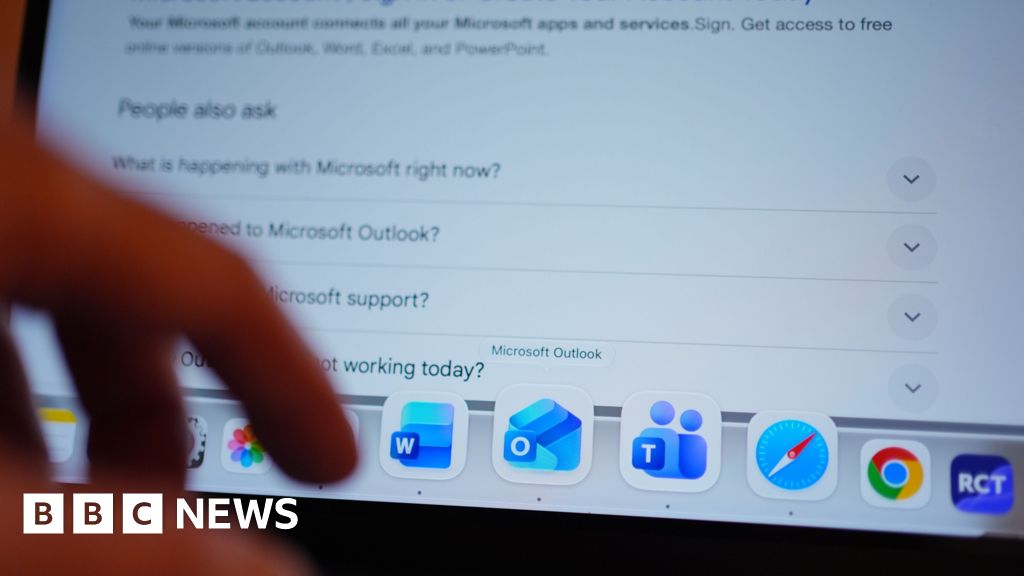
A national Microsoft outage affected Teams, Outlook, and AI software Copilot for over 20 hours, leading organizations in Devon and Cornwall to evaluate the implications for their operations. Microsoft stated the outage was due to an earlier network capacity upgrade and not related to cyber incidents.
Businesses, pharmacists, and technology experts in Devon and Cornwall are reflecting on the consequences of a significant outage that impacted Microsoft services, including Teams and Outlook. The disruption lasted more than 20 hours and affected users in over 70 countries. Microsoft expressed regret over the incident and clarified that it was not linked to cyberattacks or AI-related issues, attributing the problem to a prior network capacity upgrade.
During the outage, many organizations faced challenges in maintaining their operations. Nick Kaye, a superintendent pharmacist in Newquay, noted the importance of 'face-to-face' care when technology fails. He pointed out that while technology enhances efficiency, it also creates reliance, which can expose weaknesses when systems go down. Kaye mentioned that community pharmacies managed to cope well but anticipated a backlog from prescription requests that typically come through email.
The technology at the center of this incident includes Microsoft Teams and Outlook, which are widely used for communication and collaboration in various sectors. Teams is a platform that integrates chat, video conferencing, and file sharing, while Outlook is an email service that also manages calendars and tasks. These tools are essential for remote work and real-time collaboration, making their unavailability a significant disruption for businesses that rely on them.
Phil Norgan, a residential lettings manager, experienced firsthand the difficulties posed by the outage, particularly with electronic paperwork for tenancy agreements. He highlighted how the inability to verify signed agreements electronically created complications for letting and sales agents.
Dr. Rory Hopcraft, a lecturer in cybersecurity, described the situation as a 'true test' of business continuity and disaster recovery plans. He urged businesses to consider what actions they would take if their technology became unavailable, suggesting that alternatives like using paper documents or phone calls might be necessary.
Dr. Alex Taylor from the University of Exeter noted the ongoing challenge of mitigating similar disruptions in the future. He pointed out that each outage presents unique circumstances, making it a continuous learning process for organizations. Taylor mentioned a suggestion from industry professionals to consider moving some data services back to on-premises solutions to diversify storage options and reduce reliance on cloud services.
While organizations are now assessing the impact of the outage, several unknowns remain. It is unclear how many businesses were significantly affected or if any long-term changes to operational strategies will emerge as a result. Observers will be watching to see if organizations implement new contingency measures or adjust their reliance on cloud services.