TeamViewer Flaw Lets Remote Computers Attack Users Who Connect to Control Them
TeamViewer has a high vulnerability (CVE-2026-111585).
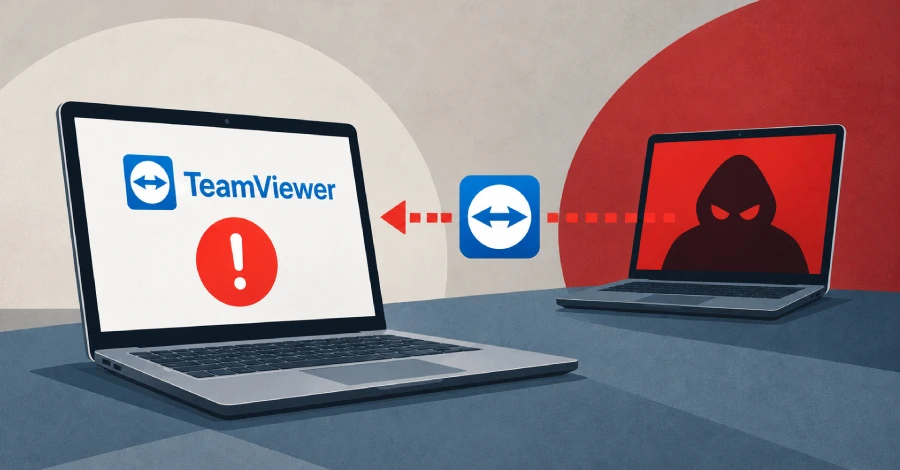
TeamViewer has a high vulnerability (CVE-2026-111585).
This requires local or already-authenticated access to reach.
Anyone running TeamViewer 15.83 is exposed, specifically wherever TeamViewer is actually deployed rather than just licensed or installed somewhere unused.
What an attacker actually gains: successful exploitation allows the attacker to execute code with the permissions of the affected process.
This is tracked as CVE-2026-111585 and rated high severity, which is the identifier to use when checking vendor guidance.
The affected versions are 15.83, so that's the range to check against your own deployment.
A workaround exists, but there is no complete fix available yet.
Confirm whether TeamViewer 15.83 is present anywhere in your asset and software inventory.
No exploitation has been reported yet, but that status can change, so keep watching vendor guidance while you remediate.
What happened
TeamViewer has a high vulnerability (CVE-2026-111585) that requires local or already-authenticated access to exploit.
Who is affected
Anyone running TeamViewer 15.83 is exposed, particularly in environments where TeamViewer is actively deployed.
Why it matters
Successful exploitation allows an attacker to execute code with the permissions of the affected process.
Technical details
This vulnerability is tracked as CVE-2026-111585 and is rated high severity, which should be referenced when checking vendor guidance.
The affected version is 15.83, so that is the range to verify against your own deployment.
Response
A workaround exists, but a complete fix is not yet available.
What security teams should do
Confirm whether TeamViewer 15.83 is present in your asset and software inventory.
While no exploitation has been reported yet, that status can change, so monitor vendor guidance as you remediate.